
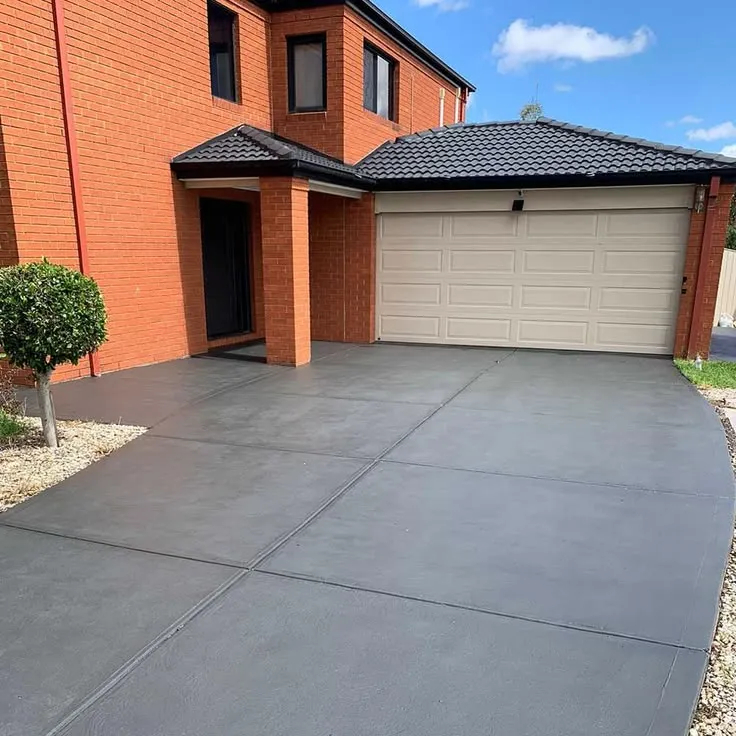
A driveway is one of the first features visitors notice, yet it often receives less attention than a home’s garden, fencing or exterior walls. Over time, faded finishes, stains and peeling coatings can make an otherwise tidy property look neglected. Homeowners considering driveway resurfacing should first examine the existing concrete rather than immediately choosing a new colour. Understanding whether the problem is cosmetic or structural helps determine which improvements are worthwhile and prevents money being spent on a finish that cannot last.
Why Driveways Begin to Look Worn
Driveways are constantly exposed to sunlight, rainfall and vehicle movement. In South East Queensland, warm weather and periods of heavy rain can accelerate deterioration of some surface finishes, particularly when drainage is poor.
Oil leaks, dirt and harsh cleaning products may also affect the appearance of concrete. A faded coating does not always mean the slab underneath is damaged, so identifying the actual cause of deterioration is an important first step.
Check the Concrete Before Making Changes
Look for widening cracks, loose sections, uneven areas and places where water collects after rain. Minor staining may require little more than appropriate cleaning, while deep cracking or significant movement deserves professional assessment.
Check whether earlier coatings are peeling away or remain securely bonded. Applying another layer over unstable material can allow both finishes to lift. In some cases, removing the existing coating is more sensible than covering it.
Understand Why Coating Removal Matters
Old paint and decorative finishes can interfere with new surface treatments. Mechanical grinding may be used to strip failed coatings, remove contamination and expose the concrete beneath. The suitable method depends on the material present and the condition of the slab.
Removal work should include appropriate dust control and safe handling of any waste. Once the old finish is gone, defects that were previously hidden may become visible, allowing them to be assessed before further work.
Choose Materials for Outdoor Conditions
Not all concrete coatings are designed for exterior driveways. Products suitable for indoor garages may respond differently to prolonged sunlight, rain and temperature changes. Ask about the specific coating system rather than assuming every epoxy product performs equally well outdoors.
Important considerations include UV stability, traction, vehicle loading and maintenance requirements. A finish should also be compatible with the prepared substrate. Technical suitability matters more than a promotional claim about how long a coating will last.
Make the Driveway Fit the Home
Colour can influence how the entrance relates to the house. Neutral greys often suit modern properties, while warmer tones may complement brickwork and traditional landscaping. Samples should be viewed outdoors because daylight changes how finishes appear.
Texture deserves equal consideration. An attractive glossy surface may be slippery when wet, especially on a sloping driveway. Discuss slip resistance before selecting a finish, and avoid sacrificing safe access for appearance alone.
Don’t Ignore Water and Drainage
A driveway should direct surface water away from the building. Pooling water can encourage staining, contribute to deterioration and create inconvenient walking conditions. Decorative finishes cannot correct every drainage problem.
Check low spots, edges and the area near the garage entrance. If substantial water remains after rainfall, the slope or drainage system may require attention before any new surface treatment is installed.
Plan Around Access and Maintenance
Driveway work can temporarily interrupt parking and access. Before accepting a quote, ask how the surface will be prepared, whether repairs are included and when vehicles can return. Different products have different curing requirements.
After completion, sweep away grit, clean spills promptly and use products recommended for the finish. Avoid aggressive cleaning techniques unless the installer confirms they are appropriate. Regular inspections can reveal wear before minor issues grow.
Conclusion
An ageing driveway does not automatically need complete replacement. Sometimes the most valuable improvement begins with removing a failing coating, inspecting the exposed concrete and addressing problems that affect drainage or safety. A suitable finish can then be selected for the property’s appearance and everyday use. Homeowners in the Redlands and Brisbane areas can explore relevant surface preparation and coating-removal services through epoxyflooringredlands.com.au. By prioritising sound preparation over quick cosmetic changes, they can make more informed renovation decisions and maintain an entrance that feels practical, safe and welcoming.