
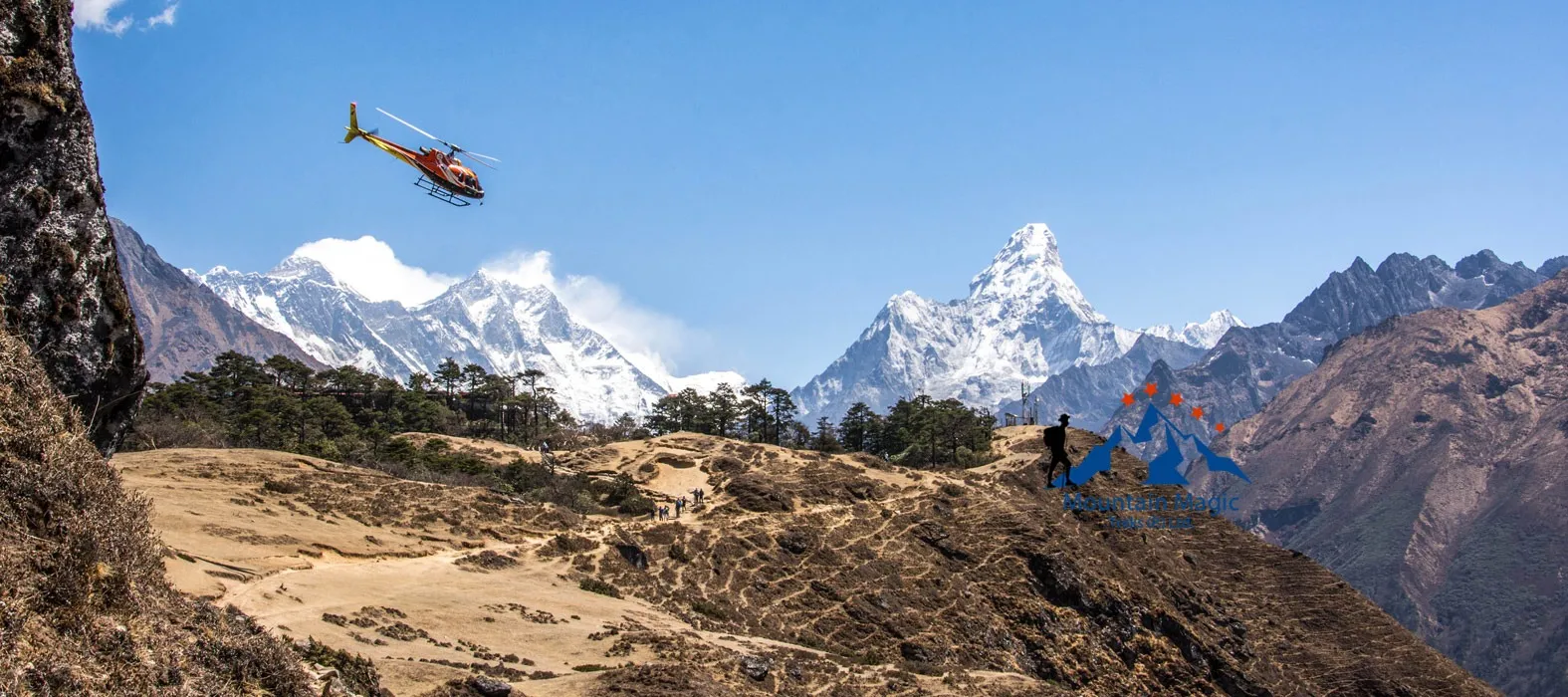
The trail toward Everest Base Camp passes through places that hold deep meaning for the mountaineering world. Some locations are known for their mountain views, while others are remembered because of the people who faced the challenges of climbing in the Himalayas. The memorial area near Thukla Pass is one such place.
Located along the route between Dingboche and Lobuche, this area contains memorials dedicated to climbers and mountaineers who lost their lives in the Everest region. For trekkers, it offers an opportunity to understand the risks connected with Himalayan climbing and remember the people whose stories are linked to these mountains.
During the Everest Base Camp Trek with Helicopter Return, the trail passes through this meaningful location before reaching Lobuche. It is not simply another point on the walking route. It is a place that deserves time, attention, and respect.
Where Is the Thukla Pass Memorial Area?
The memorial area lies above Dughla, also known as Thukla, on the route from Dingboche toward Lobuche.
After leaving Dingboche, trekkers follow the trail through the valley toward Dughla. From there, the route climbs a steep section to reach the memorial area. Once past the memorials, the trail continues toward Lobuche.
This section is an important part of the approach to the higher settlements near Everest Base Camp.
Understanding the Location
The memorials are surrounded by a rugged mountain landscape. Large peaks and open slopes create a powerful setting, while stone structures mark the area where climbers are remembered.
The location also provides a natural pause between the lower settlement of Dingboche and the more demanding trail toward Lobuche.
Why Were the Memorials Built?
Mountaineering in the Everest region involves serious risks. Climbers face high altitude, extreme cold, changing weather, difficult terrain, and other dangers.
Over the years, many people have lost their lives during Himalayan expeditions. Memorials were established in the region to remember some of those who never returned.
Remembering Climbers and Mountaineers
The memorial area includes stone structures and plaques dedicated to individuals who died in the mountains.
Some memorials carry names, dates, messages, or other details about the people being remembered. Together, they reflect the history of mountaineering and the human cost of high-altitude expeditions.
Not every memorial tells the same story. Visitors can take time to read the inscriptions where they are visible and learn about the individuals represented there.
The Difference Between Trekking and Mountaineering
A trek to Everest Base Camp and a technical climbing expedition are different activities.
Trekkers follow established routes through mountain settlements to reach the base camp area. Mountaineers attempting Everest or other major peaks face additional challenges involving glaciers, steep ice, technical equipment, and specialized climbing skills.
Why This Difference Matters
The memorials remind visitors that the mountains can be dangerous even for experienced climbers.
A trekking itinerary does not involve the same objectives as a summit expedition. However, altitude, weather, and difficult terrain still require careful preparation and respect.
The Everest Base Camp Trek with Helicopter Return is designed around reaching Everest Base Camp and visiting Kala Patthar, not climbing Mount Everest itself.
The Climb From Dughla to the Memorials
The approach from Dughla to the memorial area includes a noticeable uphill section. The path rises over rocky ground and can feel demanding because of the increasing elevation.
Trekkers should avoid rushing through this climb. A steady pace allows the group to manage the effort while following the guide’s instructions.
What Makes This Section Challenging?
Several factors can make the climb feel harder:
-
The trail gains elevation over a relatively short section.
-
The ground can be uneven and rocky.
-
The air is thinner than at lower settlements.
-
Cold winds may affect comfort.
-
Trekkers may already feel tired after earlier walking.
Taking controlled steps and allowing enough time for the climb is more useful than trying to move quickly.
How to Behave at the Memorial Site
The memorial area is a place of remembrance. Visitors should treat it with the same care they would show at a cemetery or another memorial location.
Although the site is part of a trekking route, it should not be treated as an ordinary photo stop.
Respectful Visitor Guidelines
Keep these practices in mind:
-
Read memorial inscriptions without touching or damaging them.
-
Avoid climbing on stone structures.
-
Keep your voice low.
-
Do not leave rubbish behind.
-
Avoid moving stones or objects placed at memorials.
-
Ask your guide before taking photographs of specific memorials.
-
Give other visitors space to pause and reflect.
Respectful behavior helps preserve the meaning of the site for future travelers.
What Happens After Visiting the Memorials?
After crossing the memorial area, the route continues toward Lobuche.
The trail gradually moves through a high mountain landscape with limited vegetation and wide views of surrounding peaks. The settlement of Lobuche is an important overnight stop before the journey to Gorakshep.
Preparing for the Next Section
Lobuche sits at approximately 4,940 meters. The altitude makes it important to pay attention to physical condition and follow the planned schedule.
After reaching the lodge, trekkers should rest, eat, and inform their guide about any unusual symptoms.
The next stage toward Gorakshep involves another significant increase in elevation, so careful pacing remains important.
Why This Location Adds Meaning to the Journey
The memorial area creates a connection between the natural landscape and the history of Himalayan exploration.
Visitors often arrive with excitement about seeing Everest Base Camp. The memorials offer a different perspective by showing the human experiences behind the mountain’s climbing history.
They also encourage travelers to think about the guides, porters, climbers, and support teams who have contributed to Himalayan expeditions over many decades.
The location is an important reminder that mountain environments deserve respect, preparation, and responsible decisions.
Include the Memorial Stop in Your Trekking Experience
Mountain Magic Treks’ itinerary follows the route from Dingboche to Lobuche, passing through the Dughla and Thukla Pass area.
Trekkers should follow the guide’s timing and instructions when visiting the memorials. The stop needs to fit into the day’s walking plan, including the remaining journey to Lobuche.
During the Everest Base Camp Trek with Helicopter Return, this location provides more than a physical transition between two settlements. It introduces travelers to an important part of the region’s mountaineering history.
Final Thoughts
The Thukla Pass memorial area is one of the most meaningful locations along the route toward Everest Base Camp. Its stone memorials remember climbers and mountaineers who lost their lives in the Himalayas, giving visitors a deeper understanding of the risks associated with high-altitude expeditions.
As trekkers travel from Dingboche toward Lobuche, they should approach this location with patience and respect. The Everest Base Camp Trek with Helicopter Return includes some remarkable mountain destinations, but places like this also remind travelers that the history of the Himalayas is shaped by human courage, difficult decisions, and loss.
Frequently Asked Questions
1. Where are the Thukla Pass memorials located?
They are located above Dughla on the trekking route between Dingboche and Lobuche.
2. Who is remembered at the memorial site?
The memorials honor climbers and mountaineers who lost their lives in the Everest region.
3. Is the memorial area part of the Everest Base Camp trekking route?
Yes. Trekkers pass through the area while walking from Dingboche toward Lobuche.
4. Is the climb to the memorials difficult?
It includes a steep uphill section over rocky terrain. The increasing elevation can make it feel demanding, so trekkers should maintain a steady pace.
5. Can visitors take photographs at the memorials?
Photography may be possible, but visitors should behave respectfully and avoid disturbing the memorial structures or other people.