

Key Takeaways
-
Well-designed displays strongly influence customer purchasing behavior.
-
Flexible and modular fixtures enable quick responses to trends and promotions.
-
Choosing sustainable materials and efficient lighting supports both the bottom line and environmental responsibility.
Table of Contents
-
Strategic Display Design
-
Flexible Fixtures for Adaptability
-
Sustainable Materials and Energy-Efficient Lighting
-
Leveraging Technology in Merchandising
-
Enhancing Customer Experience Through Layout
-
Best Practices for Maintaining Freshness
-
Conclusion
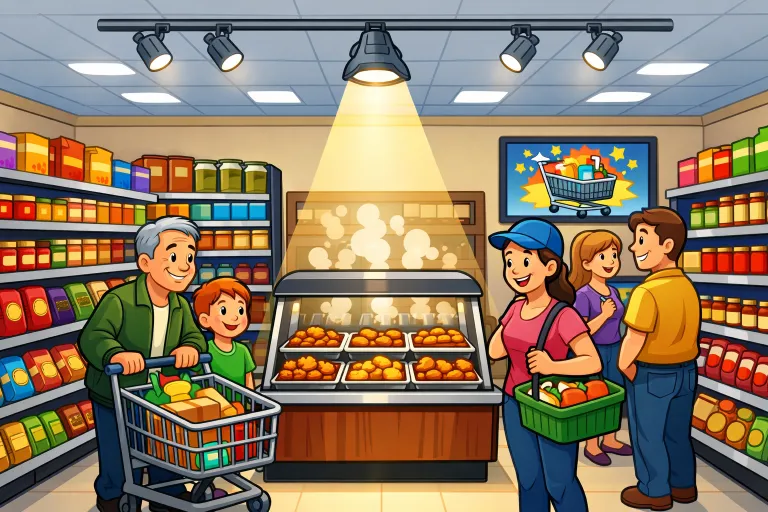
In the competitive food retail landscape, effective merchandising displays are the cornerstone of capturing attention and maximizing sales. Retailers are continually refining their approach to draw customers in and entice them to make purchases. Innovative fixtures, compelling layouts, and energy-smart lighting are just a few of the strategies fueling results in modern grocery and specialty food environments. By integrating hot food display equipment alongside perishable goods, operators can create visually compelling focal points that increase dwell time and encourage impulse buys.
Thoughtful merchandising focuses on more than just aesthetics. It plays a critical role in maintaining food quality and freshness, which directly contributes to customer satisfaction and repeat business. Displays must be adaptable and carefully curated to align with seasonal changes, store promotions, and evolving shopper preferences. Retailers who invest in flexible, sustainable merchandising solutions can distinguish themselves in a crowded market, ensuring not only better presentation but also greater operational efficiency.
Another key component is the integration of technology, which ranges from digital signage to smart shelving. These advancements help convey information, streamline management, and personalize the customer journey. In addition, choosing sustainable materials and energy-efficient lighting improves the customer’s perception of the store while supporting environmental goals and reducing utility costs.
Creating a seamless, enjoyable shopping environment encourages loyal patrons and boosts basket size. Whether designing a new store or revamping an existing one, every aspect of display, from lighting to layout, should be evaluated with the dual goals of enticing customers and enhancing food safety.
Strategic Display Design
Putting strategy first in display design helps maximize product exposure and drives engagement. High-demand items placed at eye level boost visibility and can stimulate impulse buying. Tiered tables and well-organized shelves convey abundance while reducing visual clutter. Using this approach ensures a well-balanced presentation that is inviting rather than overwhelming.
Grouping related products or creating themed vignettes adds context and inspires customers by suggesting meal ideas or pairings. Consistent signage and attractive labeling clarify choices and enhance the perception of freshness. For guidelines on visual merchandising best practices, consult Tasting Table resources on grocery layout strategies.
Flexible Fixtures for Adaptability
Modern food retail environments must adapt quickly to trends, holidays, and promotional campaigns. Modular fixtures provide the agility to refresh displays frequently. Movable tables, adjustable shelving, and mix-and-match display units let new products or seasonal items be highlighted instantly, keeping the store feeling relevant and vibrant.
Fixtures with interchangeable graphics or customizable shelving help retailers react to evolving consumer needs. This also allows for zoning, where different areas can be staged for various demographics or dietary preferences. Efficiently shifting displays minimizes downtime and maximizes retail impact.
Sustainable Materials and Energy-Efficient Lighting
Investing in eco-friendly display materials sends a positive message to environmentally conscious customers. Materials such as bamboo, recycled plastics, or sustainably sourced wood are gaining traction in retail décor. Not only are they durable, but they can also be easily branded with company messaging or logos.
Modern food displays benefit from LED lighting systems, which enhance color and visual freshness while reducing thermal output. LEDs cut energy use and operating costs, and they help maintain optimal food temperatures. Research from the Energy Management Collaborative highlights how these lighting choices extend shelf life and reduce spoilage, making them a smart, sustainable investment.
Leveraging Technology in Merchandising
Digital solutions are revolutionizing the shopping experience in food retail. Digital signage grabs attention with dynamic content and provides up-to-date information on deals or nutritional facts. Smart shelving can track inventory in real time, prompt restocking, or even deliver targeted offers to nearby shoppers via mobile alerts.
This technology boosts operational efficiency while providing the personalized experiences that today’s shoppers expect. Data collected from digital touchpoints can help stores better understand customer behavior, leading to smarter merchandising decisions and ultimately higher sales.
Enhancing Customer Experience Through Layout
The physical arrangement of aisles and departments can make shopping enjoyable or frustrating. Open sightlines, intuitive navigation, and focal displays that encourage exploration keep traffic flowing smoothly. Layered merchandise displays add a sense of activity and ensure that shelves look well-stocked at all times.
Clear pathways, strategic endcaps, and creative cross-merchandising encourage shoppers to spend more time in-store and discover new products. This thoughtful organization increases sales opportunities and reinforces a positive brand image.
Best Practices for Maintaining Freshness
Preserving product quality is vital for customer satisfaction in fresh food departments. Routine rotation, strict adherence to temperature requirements, and the use of protective lighting all contribute to extending shelf life. Specialized LED solutions further help minimize heat exposure and keep produce or prepared foods looking appetizing.
Employee training in food safety and regular audits ensure that freshness is maintained across all categories. Making these best practices standard helps build trust and loyalty, driving repeat business in today’s health-conscious market.
Conclusion
Efficient solutions in food merchandising displays directly impact customer attraction and sales growth. By employing strategic design, modular fixtures, sustainable materials, technological integration, and best practices for freshness, retailers can create a dynamic and inviting shopping experience. These investments benefit both the business and the consumer, ensuring continued success in an ever-evolving retail landscape.