

Key Takeaways
- Electrolysis is the only FDA-recognized method for permanent hair removal, delivering results to all skin and hair types.
- Laser hair removal offers a substantial reduction but does not guarantee lifetime removal and works best with certain skin and hair characteristics.
- Both treatments can cause side effects. Professional evaluation and guidance minimize risks and optimize outcomes.
Permanent hair removal has become an increasingly popular option for individuals seeking long-term solutions to unwanted hair. Unlike temporary methods such as shaving, waxing, or depilatory creams, modern hair removal technologies aim to reduce or eliminate hair growth by targeting hair follicles directly. Procedures such as laser hair removal and electrolysis are widely used in clinical settings and are often chosen for their potential to deliver lasting results with minimal ongoing maintenance. As these treatments become more accessible, many people are interested in understanding how effective they truly are and what safety considerations should be taken into account before beginning treatment.
Evaluating the safety and efficacy of permanent hair removal requires considering several factors, including skin type, hair color, treatment method, and the practitioner’s expertise. Clinics offering advanced cosmetic services, such as those available at an aesthetic clinic Southfield MI, typically rely on modern equipment and trained professionals to ensure appropriate care. Understanding how these treatments work, their potential benefits, and possible side effects can help individuals make informed decisions when considering permanent hair reduction options.
Understanding Electrolysis
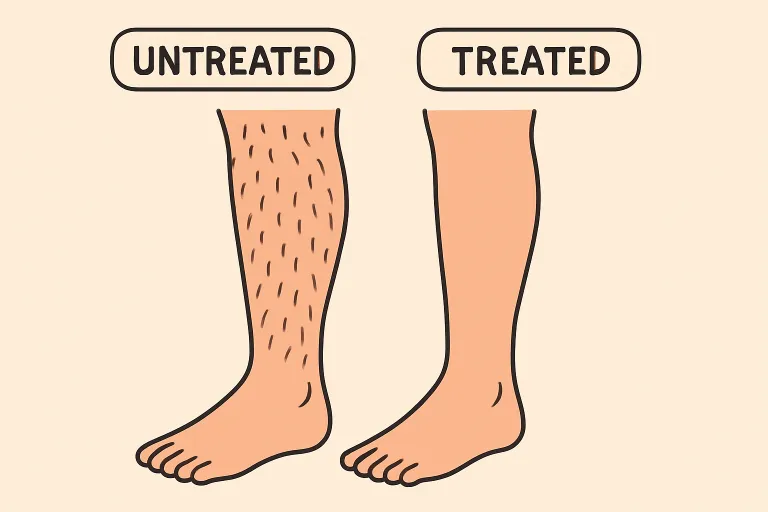
Electrolysis is the only method cleared by the U.S. Food and Drug Administration (FDA) for permanent hair removal status. The procedure uses an ultra-fine probe that is inserted into each hair follicle. An electric current targets and destroys the follicle’s ability to regrow hair. Versatility is one of electrolysis’s greatest strengths; unlike some technologies, it is effective regardless of hair color, hair thickness, or skin tone.
Because each follicle must be treated individually, electrolysis requires multiple sessions. Results are gradual; typically, many months are needed to achieve full clearance, particularly in larger areas. The payoff, however, is lasting efficacy even among patients who do not respond well to other treatments.
Exploring Laser Hair Removal
Laser hair removal harnesses the power of concentrated light beams, targeting melanin pigment within hair follicles to weaken them and impede regrowth. While laser treatment often leads to significant hair reduction, it is not classified as permanent by the FDA. Some hairs may regrow, but they often return finer and lighter in color. The best candidates have contrast between fair skin and dark hair, allowing the laser to focus energy optimally.
The American Academy of Dermatology Association recommends choosing board-certified dermatologists for laser procedures to ensure safe application and accurate assessment of candidacy.
Comparing Safety Profiles
Safety is a primary concern for those considering permanent hair removal. Both electrolysis and laser hair removal are generally considered safe when performed by certified practitioners. However, minor side effects may occur. Electrolysis can cause temporary redness, swelling, or tenderness at the treatment site. In contrast, laser hair removal may lead to pigment changes, especially in individuals with darker skin tones, mild irritation, and, in rare cases, blistering or scarring if not administered properly.
Pre-treatment consultations are important for identifying potential risk factors and developing personalized treatment protocols. Maintaining clear communication with your provider is essential to ensure proper aftercare, which is crucial for optimal healing and minimizing side effects.
Considering Skin and Hair Types
Electrolysis is universally effective. It works equally well on clients with any combination of hair color and skin tone, enabling comprehensive solutions for people who may not be considered candidates for laser hair removal. Meanwhile, lasers remain most effective on those with pronounced contrast between skin and hair pigment (light skin, dark hair). People with darker skin or lighter hair may not see full results from laser treatments, though some new devices show promise with broader compatibility.
Evaluating Treatment Duration and Cost
Time and budget are key considerations. Electrolysis is labor-intensive, as each follicle must be treated individually, often requiring many sessions over several months. Laser hair removal, with its ability to cover larger surface areas quickly, can expedite each session, though multiple treatments are still required.
Pricing structures vary widely, subject to provider expertise, facility reputation, treatment area size, and the number of appointments needed. Although laser sessions are often more expensive per visit, the shorter duration for large areas may offset the total cost.
Making an Informed Decision
Choosing between electrolysis and laser hair removal depends on several factors: skin and hair type, expectations for permanence, tolerance for possible side effects, and financial limits. Initial consultations with certified professionals, a dermatologist, licensed electrologist, or aesthetician, are recommended to review individual circumstances and goals. Personal reviews, provider credentials, and clinical experience all come into play.
Conclusion
Permanent hair removal is attainable through two primary technologies, each with unique benefits and considerations. Electrolysis is the only FDA-endorsed permanent method with broad suitability; laser hair removal brings convenience and efficiency, even as some hair may return. Prioritizing safety, realistic expectations, and thorough research will ultimately guide clients toward the most satisfying and lasting results.